

The sale of your home is an important accomplishment for every homeowner. It can be a relief to finally have the sale of your home completed after months of preparation, staging, showings and negotiations. Now it’s time to celebrate and move on. Do not forget to check the post home sale checklist after the sale.
1. Organize all of your paperwork.
Keep your paperwork organized, even though it’s not a pleasant task. You’ll need to save all the paperwork related to the sale of the home when you do your taxes. Post-sale documentation includes, for example, home maintenance receipts, warranties, disclosures from the seller, listing agreements and purchase offers. Even after you have filed your taxes, you should still keep all of these documents in case you are audited.
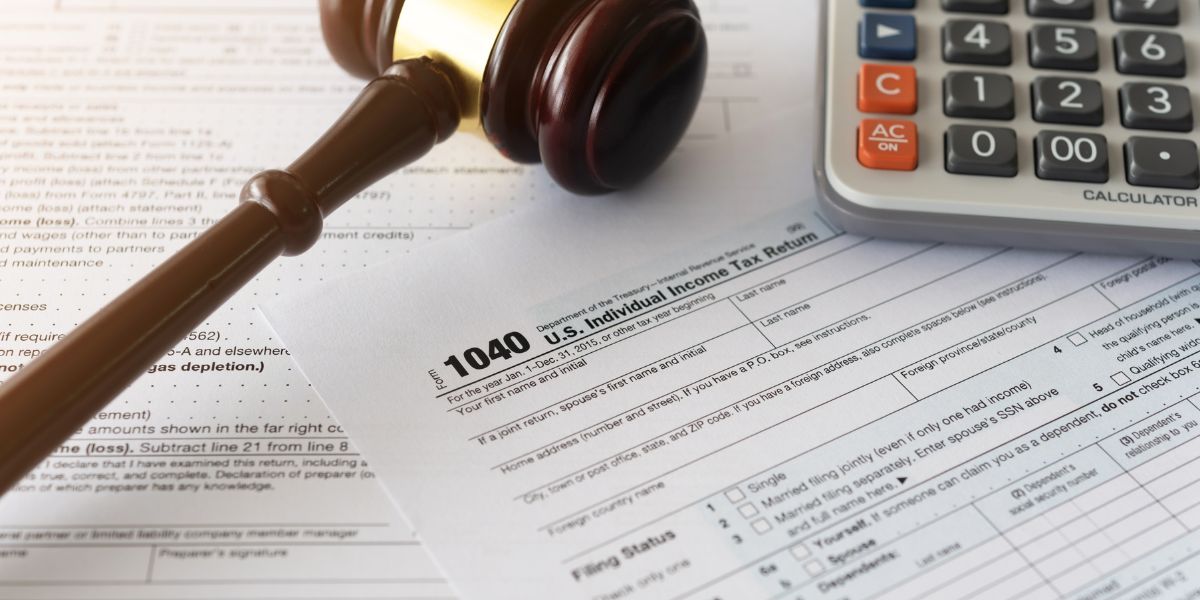
2. Know the tax laws.
You may want to keep up with your tax laws as they are constantly changing. This will help you avoid losing money. If you don’t have an accountant, hire one. You will need them at tax time.
If you are single and the house has been your primary residence for the past two years, then you can get a capital gains exemption of $250,000 or $500,000.
3. If you are not planning to buy a new home right away, consider investing your money in a Money Market Fund.
If you don’t buy a house immediately after selling yours, you will need to find a place where you can keep your money. Consider investing the proceeds of your sale in a money-market mutual fund. It offers security and a decent rate of return. You can also access your money when you need to, for example when buying your next house. Many people who have sold their homes find money market mutual funds to be an attractive alternative.
4. Consider carefully whether you will hire your listing agent when buying your next home.
Since buying and selling a house requires different skills and approaches, most agents choose to specialize in either buyer’s or sellers’ agent. You may feel tempted to rehire your agent to assist you in buying a home if they did a great job selling your house. If you are moving to a new area and searching for a specific type of property, it is best to hire an agent with experience in the neighborhood.
You may want to interview your trusted agent for your next home if you believe he or she can be an excellent buyer’s agent.
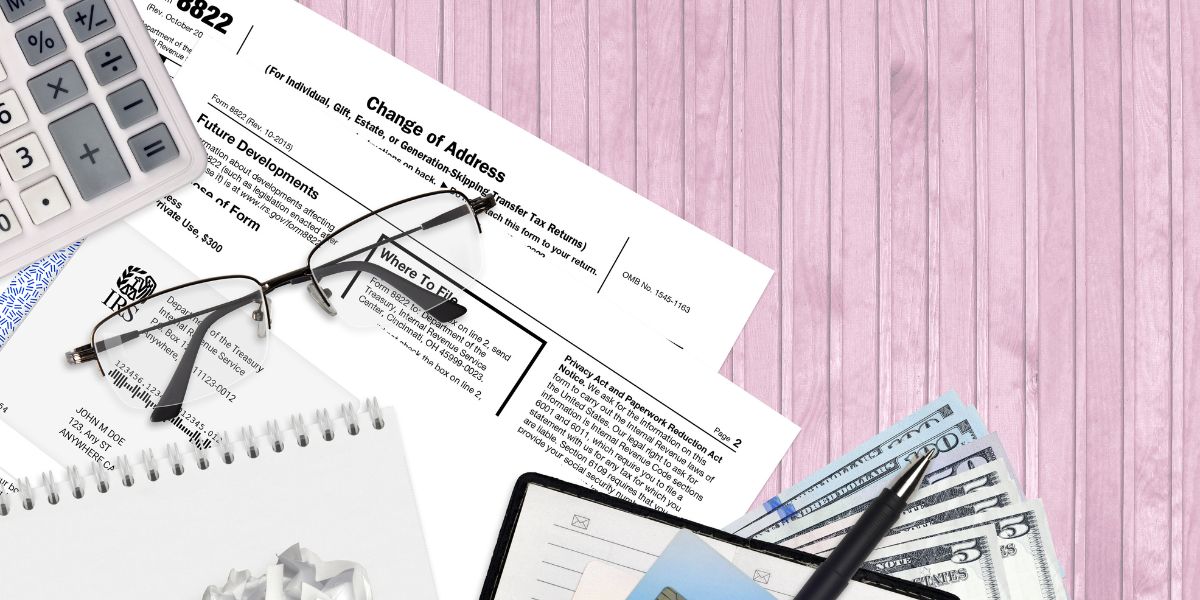
5. Send a Change-of-Address Notice.
Once you are confident that the sale of your house will be completed, changing your address becomes a crucial task.
You can change your address by visiting the U.S. The USPS site is the place to go if you want to change your address. You should do this at least 30 days in advance of your move. This will ensure that mail is delivered on time after the move. Don’t forget to notify the following people about your new address:
- IRS
- Social Security Administration
- State Motor Vehicle Office
- State Election Offices
- Billing companies
- Employers
- Subscribe to magazines or publications
- Families and friends
6. Cancel all utilities and transfer them.
It is important to give yourself enough time to cancel your utilities or transfer them, but you should do it the day after closing. If you turn off utilities the day before the final walk-through, it could delay your closing and even cause the sale to fall through. Wait until after the closing date to contact all your utility companies. Request that services are turned off, and then transferred from your name to the buyer’s.
7. Prepare to move
Moving to a new home is an exciting journey, but it can also be a daunting task. Proper preparation is key to ensuring a smooth and stress-free move. Preparing to move can be a lot if you don’t know what you are doing. With the right tools you can have a smooth sailing move.